
01
AS
World
This New Tech Could Help The Ocean Absorb More CO₂
The technology can extract dissolved carbon from seawater and lock it away as stable minerals, potentially enabling long-term carbon storage with lower energy use.
Latest headlines from Asian Scientist, covering world, with clear attribution and direct links to the original publisher.
The technology can extract dissolved carbon from seawater and lock it away as stable minerals, potentially enabling long-term carbon storage with lower energy use.
Unlike new trees, older trees in natural forests often have deeper root systems that can access water stored deeper in the soil, helping forests withstand sudden moisture shortages.
The global study suggests that many people are spending more years managing chronic conditions rather than remaining healthy for longer.
Different butterfly groups respond differently to habitat loss and human activity, offering scientists a new way to monitor ecosystem health.

A study of Tokyo neighbourhoods finds that greenery and a sense of safety may help people sleep longer, while areas with more sidewalks and traffic signs could have the opposite effect.
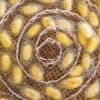
Researchers developed silk that has higher tensile strength and is less prone to shrinking by simply feeding silkworms with fiber-enriched food.
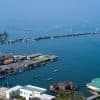
A new study finds that land up to 600 km from the earthquake’s epicentre continues to sink by a few millimetres each year.
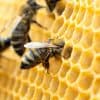
New study reveals an elaborate social machinery behind honeybee royalty, showing how specialised workers, distinctive wax, and carefully controlled nursery help transform a larva into a queen.

A new study shows that bumblebees display distinct facial expressions after tasting food, revealing that insects can distinguish between liking and wanting.
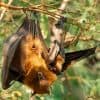
A new study shows Japanese house bat mothers use both sound and touch to locate and retrieve their own pups, adjusting their caregiving as the young grow up.

Researchers analysing four decades of satellite data found Himalayan rivers are changing course more rapidly as climate warming weakens riverbanks, with implications for water security and communities downstream.

Scientists in Japan have created a portable plasma device that can turn air into fertilizer, helping rice grow in simulated lunar soil.

A new report from Boston Scientific, supported by the Asia Pacific Heart Rhythm Society, illuminates the road from innovation to better atrial fibrillation care for the region.

Twist Bioscience’s integrated ecosystem of next-generation sequencing tools that drive up throughput and lower cost is powering a new era of population genetics research.

Researchers suggest evolutionary mismatch as a potential reason, with ancient human instincts struggling to cope with the demands of modern, hyperconnected life.