News updated today Live desk
For publishersAbout
Breaking
Follow latest
All publishers
LA
Publisher profile

Latest Science News -- ScienceDaily

Latest headlines from Latest Science News -- ScienceDaily, covering technology, with clear attribution and direct links to the original publisher.

Internationalprovisional source121 indexed headlines
Latest from this publisher

Latest Science News -- ScienceDaily headlines

Search memory
Your recent searches will appear here.

World

View all

Tech

View all
30 storiesChecked live · newest publisher story 2h ago
01
LA
World

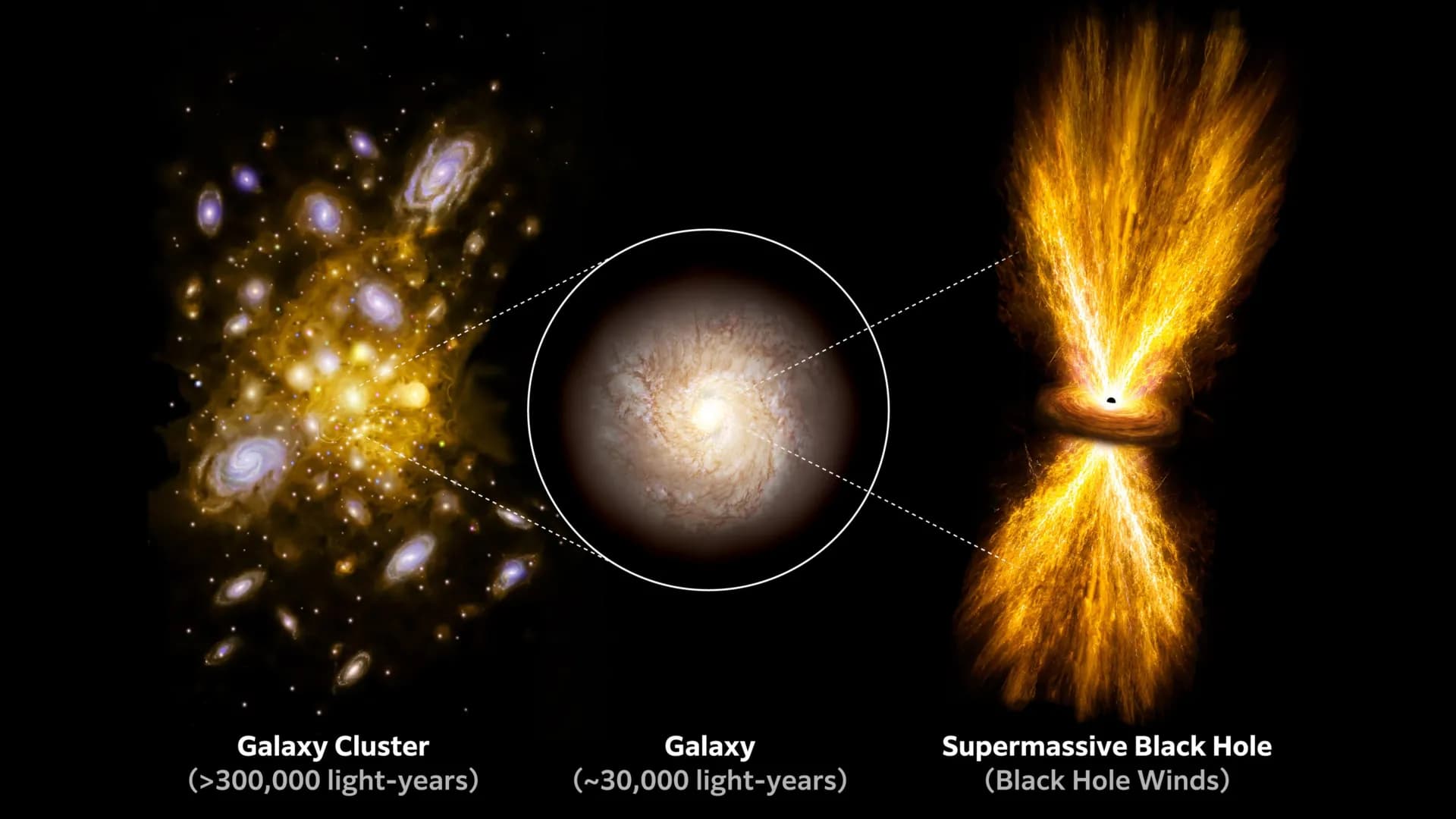
Supermassive black hole winds are 100 times more powerful than scientists thought

Astronomers have discovered that winds from a supermassive black hole are about 100 times more powerful than previously thought. XRISM observations showed the resulting turbulence spreading roughly 300,000 light-years, extending far beyond the black hole’s host galaxy. The energy involved rivals several billion supernova explosions, revealing just how dramatically black holes can influence the space around them.
03
LA
World

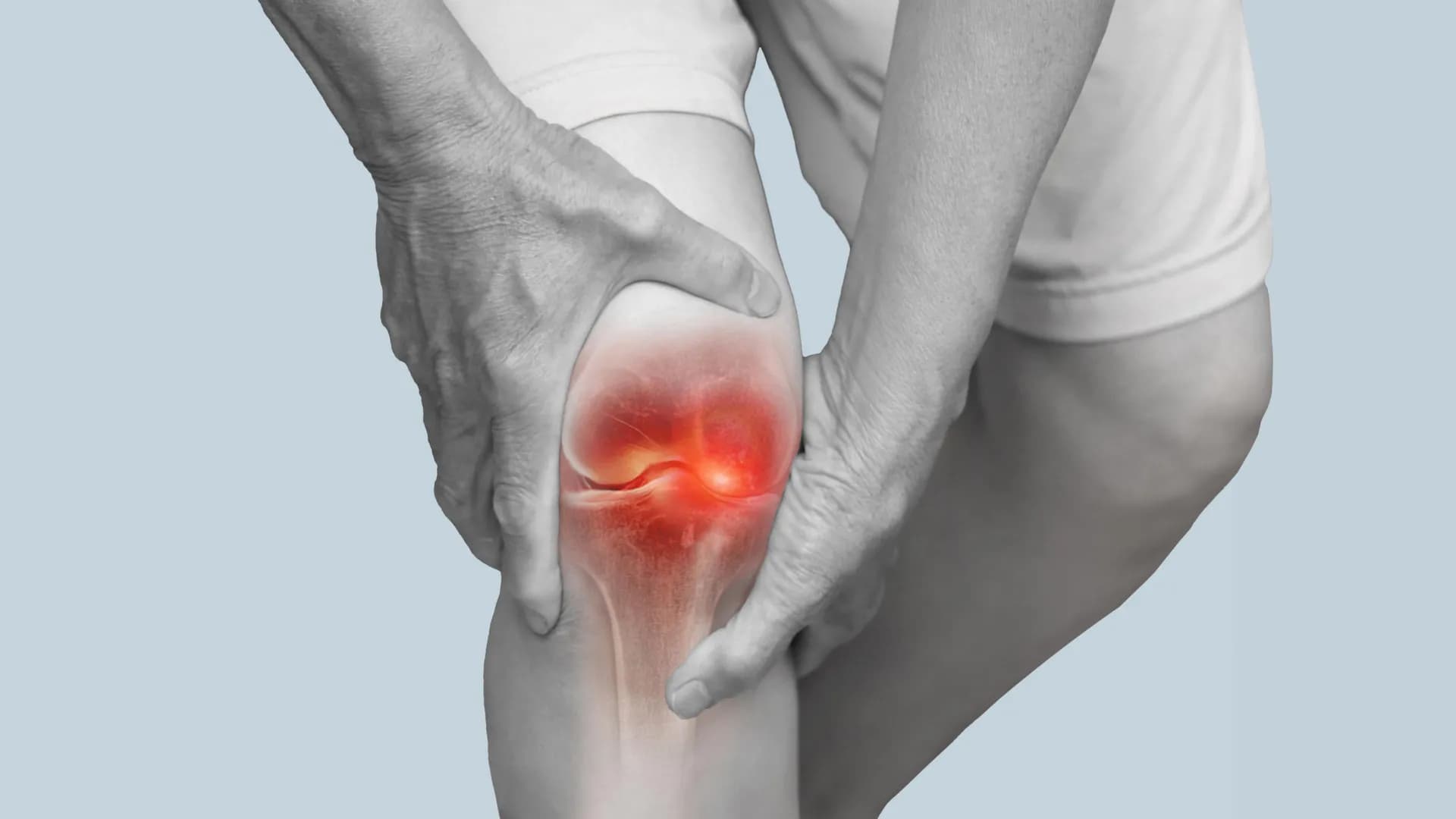
Nearly 10,000 patients reveal what works best for knee arthritis pain relief

A major analysis of 139 clinical trials involving nearly 10,000 people suggests that some of the simplest treatments may work best for knee osteoarthritis. Knee braces ranked highest overall for reducing pain, stiffness, and mobility problems, while water-based therapy was especially effective for pain and regular exercise consistently improved both pain and physical function. More high-tech approaches, including ultrasound, generally performed worse.

06
LA
World

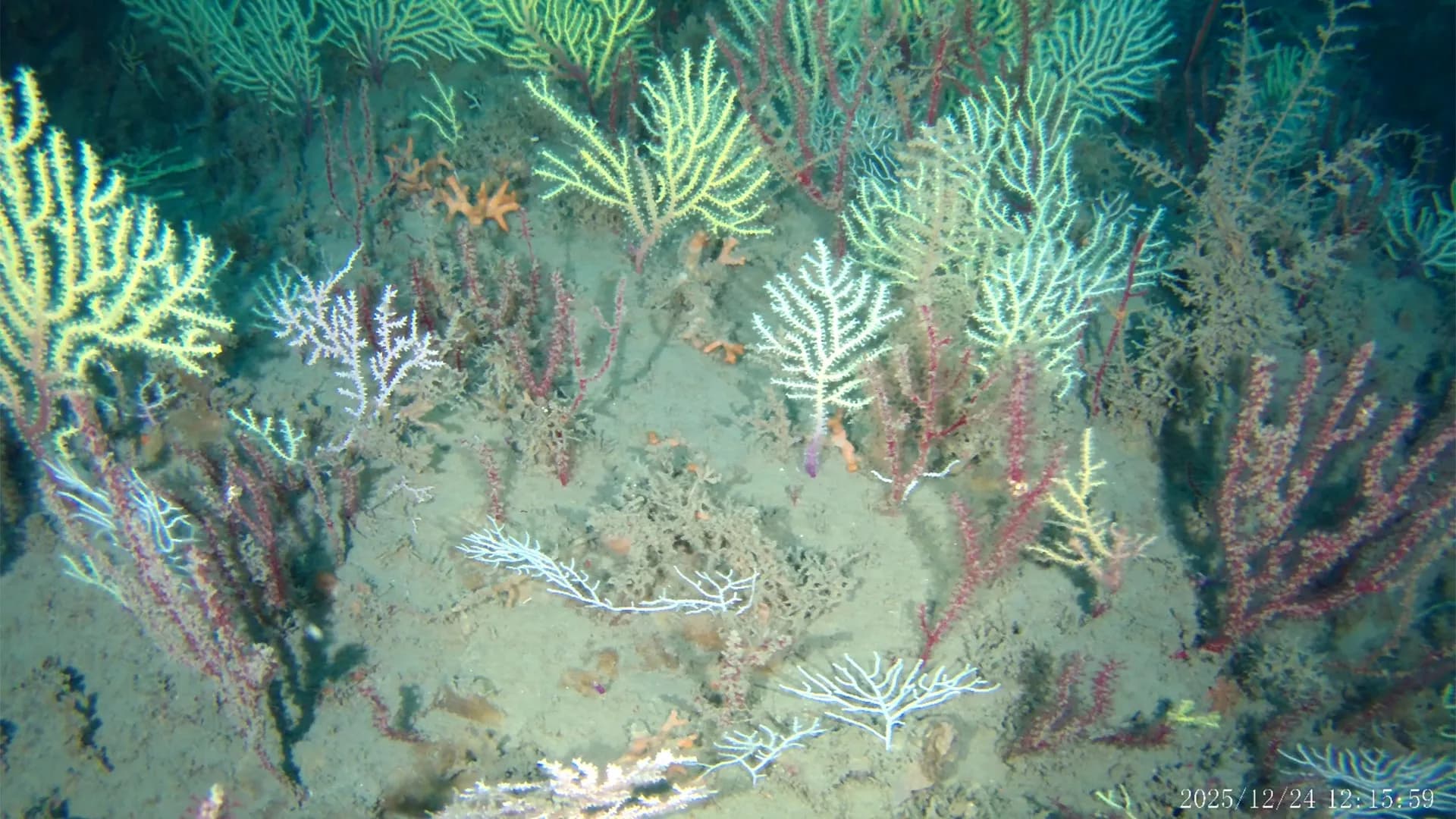
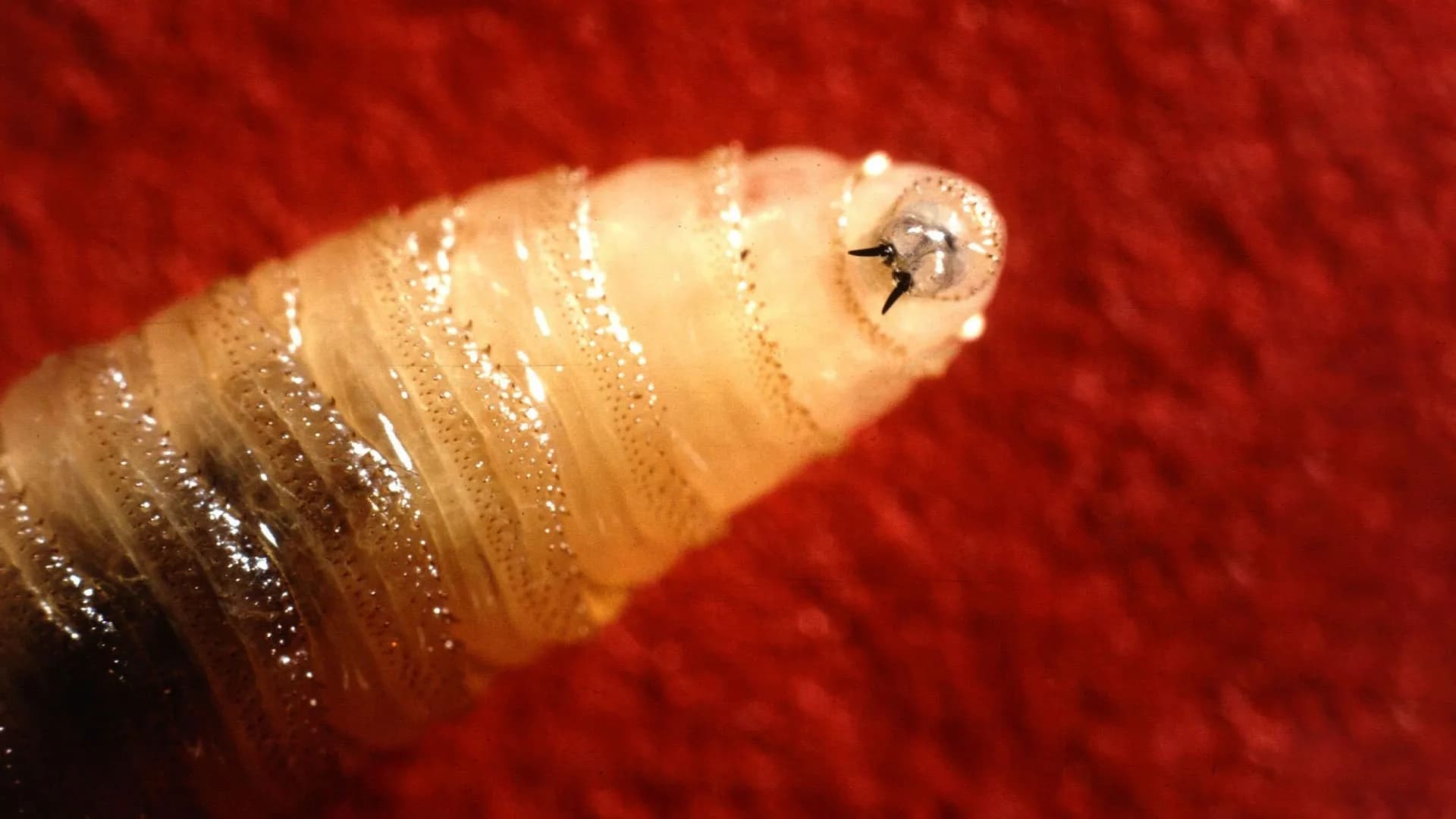
A coral reef thought dead for 60 years is teeming with life

More than 60 years after surveys suggested a deep coral reef off Benin was probably dead, scientists have found it alive. Cameras revealed healthy-looking coral patches supporting multiple fish species more than 50 meters beneath the surface. The discovery suggests West Africa’s coastal waters may contain other overlooked reefs that have yet to be documented.

07
LA
World

Cancer is rising in younger adults. Faster biological aging may help explain why

Cancer rates are rising in adults under 55, and new research suggests accelerated biological aging may be one piece of the puzzle. Scientists found that people from more recent generations tended to have bodies that appeared biologically older than those of earlier generations at the same chronological age. Greater biological age acceleration was linked to a higher risk of early onset cancers, with specific patterns seen for lung, gastrointestinal, uterine and colorectal cancers.

09
LA
World

Chemistry textbooks have been getting this wrong for nearly 100 years

A foundational chemistry concept found in textbooks for almost 100 years may have been taught incorrectly. Researchers say the inductive effect in neutral molecules appears to extend only across one chemical bond, rather than gradually weakening over three or four bonds as traditionally taught. The team argues that updating this explanation could make organic chemistry easier to understand and provide a stronger foundation for future research and innovation.

13
LA
World

Scientists discover strange link between low vitamin D and pain

Low vitamin D levels may make recovery from breast cancer surgery more painful, according to a study of 184 women undergoing mastectomy. Patients with vitamin D deficiency were three times more likely to experience moderate to severe pain during the first 24 hours after surgery and also used substantially more of the opioid painkiller tramadol. They received slightly more fentanyl during surgery and experienced more postoperative nausea as well.

15
LA
World

One Mount Etna eruption took weeks. Another happened in hours

Mount Etna’s ancient eruptions followed radically different paths, with some magma lingering near the surface for weeks while other magma raced upward from nearly 30 kilometers deep in just hours. Scientists traced the difference to volcanic gases such as carbon dioxide and water, offering a powerful new way to understand and potentially anticipate explosive eruptions.